
What Makes Puerto Rican Coffee Different? A Complete Guide
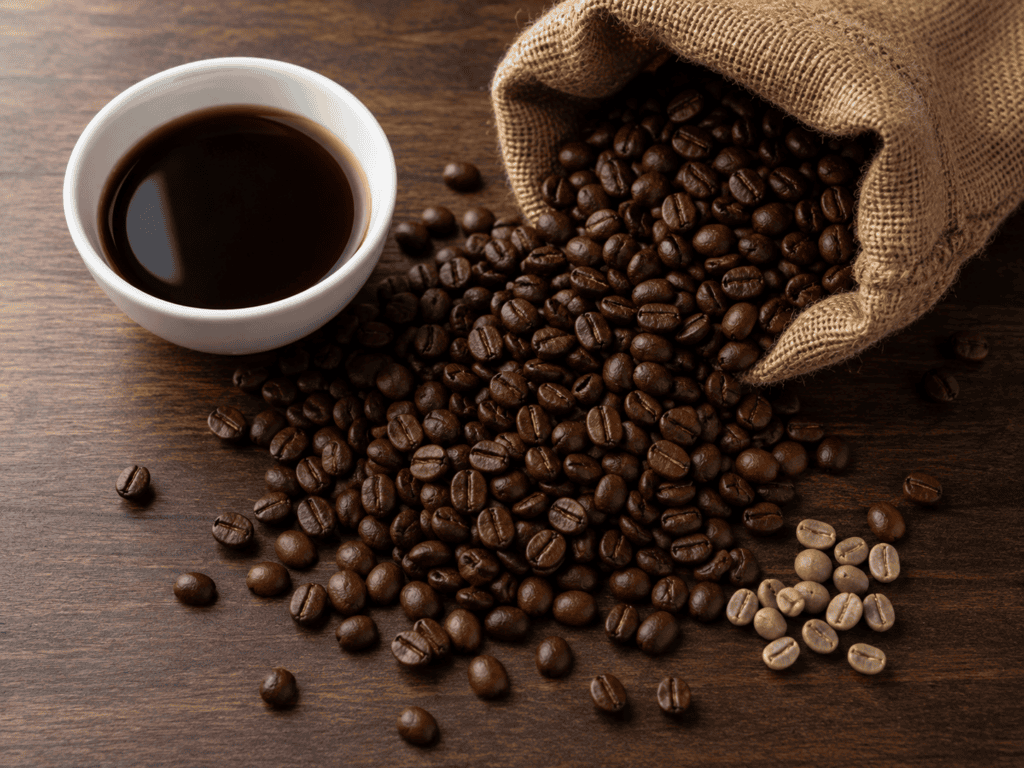
What makes Puerto Rican coffee different is not a slogan, and it is not roast level. It is where the bean grows and how slowly it gets there. At The Coffee Spot 915, our beans come off the island's mountain farms, and then we roast them in small batches here in El Paso. So the cup you pick up at our Solana kiosk began its life somewhere far greener and cooler. This guide walks the whole chain, from soil to your first sip.
What Makes Puerto Rican Coffee Different, In Short
What Makes Puerto Rican Coffee Different Starts at 1,800 Feet
Elevation is the first lever. Island coffee grows between 1,800 and 3,500 feet, where the air stays cool most of the year. Cool air slows the cherry down. A cherry that ripens slowly packs in more sugar and less harsh acid. So the bean reaches the mill sweeter and softer than a fast-grown one. The Specialty Coffee Association treats altitude and shade as two of the variables that shape how any coffee tastes, and this profile leans on both.
Shade does the second half of the work. Farms on the island tend to sit under taller trees, and that canopy keeps direct sun off the cherry. Meanwhile the volcanic soil underneath holds minerals and water well. Put those together and you get a plant under very little stress. Granted, a relaxed plant is not automatically a great cup. However, it hands the roaster a forgiving bean to start from, which is exactly what a smooth profile needs.
Slow ripening is the payoff, and it is the reason the flavor notes line up the way they do. You get chocolate first, then praline, then a caramel finish that lingers a beat. The body feels silky rather than thin. Acidity sits low, so nothing bites at the end of the sip. For example, pour a cup black and let it cool a little. The sweetness usually grows instead of turning sour, which is what our regulars notice first.
The Island Flavor Profile at a Glance
Here is the shortest version of what makes Puerto Rican coffee different, in one view. Each row pairs a trait with the growing or roasting choice behind it. Also, the last column tells you what to look for while you drink. First, read down the trait column. Then check the cause sitting beside it, because the two are never really separate.
| Trait | What it means | Where it comes from | What you notice |
|---|---|---|---|
| Low acidity | Very little of the sharp bite some cups carry | Slow ripening under shade at 1,800 to 3,500 feet | Nothing pinches at the back of the sip |
| Silky body | Weight that coats the tongue without feeling heavy | High-grown Arabica, hand-picked on steep farms | The cup feels full even when you drink it black |
| Chocolate note | A cocoa sweetness that is not added sugar | Sugar built up during a long, cool ripening | Shows up early, well before the finish |
| Praline and nut | A toasted, nutty layer under the chocolate | Small-batch roasting here in El Paso | Easiest to catch as the cup cools |
| Caramel finish | A sweet tail that stays after you swallow | The same slow sugar development on the tree | Lingers longer than the sip itself |
| Milk friendly | Holds its own flavor once milk goes in | Body plus low acidity, working together | Still tastes like coffee in a 10 oz latte |
Inside the Coffee Highlands: Jayuya, Adjuntas and Utuado
The island's coffee sits in its central mountains, and three names come up again and again: Jayuya, Adjuntas and Utuado. They sit high, they stay cool, and they get real rainfall. That combination is why growers put coffee there in the first place. The University of Puerto Rico Mayaguez runs an agricultural research station covering highland cultivation, so the region has a long record behind it rather than a marketing story.
Those farms are small, and the terrain is steep. So pickers work by hand instead of by machine, taking ripe cherries and leaving the rest for another pass. It is slower and it costs more. However, hand-picking is a large part of why a lot stays consistent from bag to bag. The International Coffee Organization tracks producing countries and grower economics, and small mountain farms are a familiar part of that picture. Notably, that care is a large part of what we pay for. So the lot we roast arrives even, and an even lot is much easier to roast well.
Who We Buy From: El PuebloDel Cafe, Our Named Supplier
We do not buy anonymous green coffee. Our beans come from El PuebloDel Cafe on the island, and we name them on our own homepage for a reason. Naming a supplier is a small promise. It means you can ask us where our beans are sourced and get a real answer. Also, it keeps us honest about what we sell, because this is Arabica from a specific place rather than a blend assembled to hit a price.
Roasting happens here in El Paso, in small batches. Small batches are not a flex; they are a control. A smaller drum lets us stop the roast on the sweet spot instead of pushing it dark to cover flaws. So the chocolate and the praline survive the heat. For example, we could push it dark and cover a lot. We would rather not need the cover. If you want the reference material behind brewing standards and coffee history, the National Coffee Association maintains it.
Why Low Acidity Changes Who Can Drink It
Low acidity is the trait people feel before they can name it. Customers tell us this at the window constantly: they had quietly decided coffee did not agree with them. Often the culprit is a bright, sharp cup rather than the caffeine. A low-acid profile softens that edge. So someone who gave up on black coffee years ago can sometimes drink ours black and stay comfortable.
It also changes what you can do with the cup. Milk does not have to rescue anything, so a 10 oz latte at $3.50 tastes like coffee with milk in it rather than milk with a hint of coffee. Meanwhile a $2.00 espresso stays sweet enough to sip on its own. In fact, that surprises the first-time customers who reach for sugar out of habit. For the caffeine side of the question, we answered is Puerto Rican coffee strong in a separate post.
Puerto Rican, Colombian and Ethiopian: What We Can Honestly Compare
Origin comparisons get sloppy fast, so here is the honest version. Every producing country covers a wide range, and one bag never speaks for a whole nation. The USDA publishes the import and grading data behind coffee arriving in this country, Puerto Rico included. What we can speak to directly is our own counter. Regulars who switch over from a Colombian house blend tell us the finish is the first thing they notice. So take any origin chart with a little salt. Ours is a description of one supply chain, not a league table.
So we describe ours and let you fill in the rest. Ours reads chocolate, praline and caramel, with the acid pulled back. Customers who normally drink brighter, fruit-forward beans sometimes find it too gentle, and that is fair. It is a preference, not a ranking. For the full sensory breakdown, we wrote up what Puerto Rican coffee tastes like in its own guide.
How to Brew It: Drip, Espresso and French Press
The profile survives most brewers. Drip is the easiest starting point. A medium grind and a clean filter give you the chocolate and the body without much fuss. Espresso pushes the same notes closer together, so the caramel reads sweeter and shorter. Our 10 oz americano at $3.00 is basically that shot opened back up with hot water. Then taste it black before you change anything. Otherwise you never learn what the bean does on its own.
French press goes the other way. A coarse grind and a long steep pull out body and sweetness, and low acidity means the cup rarely turns sour while it sits. So if you like a heavy morning mug, try that one first. Next, match your grind to your brewer rather than buying one grind for everything. Meanwhile, keep your ratio steady from week to week. Changing two things at once tells you nothing.
How to brew Puerto Rican coffee →How to Taste It Properly on Your First Cup
First cups get wasted on distraction. Order it black once, even if you never drink it black, and give it a few quiet minutes. Here is the sequence we would run through.
- Smell it before you sip. Steam carries the chocolate and the nut notes first, so the smell sets you up for what the first sip delivers.
- Take the first sip hot, not scalding. We wait until the cup is comfortable to hold, because heat masks the sweetness we want you to catch.
- Let it cool between sips. As the temperature drops, praline and caramel move forward. Most of the profile shows up mid-cup.
- Notice the finish, not the front. Low acidity means the ending is where this coffee separates itself. Nothing should pinch or turn dry.
- Then add milk, if you want it. Try the same coffee as a 10 oz latte and see how much of the bean still comes through.
Ultimately, tasting is a habit rather than a talent. Run that sequence twice and you will start catching the caramel without trying. Also, it makes ordering easier, because you finally know what you are asking for. Indeed, plenty of our regulars picked the habit up without ever meaning to.
Puerto Rican coffee in El Paso →Frequently Asked Questions
Q1 What makes Puerto Rican coffee different from other coffee? +
Q2 Is Puerto Rican coffee acidic? +
Q3 What does Puerto Rican coffee taste like? +
Q4 Can you buy Puerto Rican coffee in El Paso? +
Q5 Which brewing method shows off the island profile best? +
Where to Taste What Makes Puerto Rican Coffee Different in El Paso
Reading about what makes Puerto Rican coffee different only gets you so far, and the rest is a walk-up window. We are at 750 Sunland Park Dr, Level 1, Kiosk K-12, right in front of the White Horse Statue at The Shoppes at Solana. Doors open at 8am Monday through Saturday, and 11am on Sunday. Order at the window, or send it ahead on DoorDash and skip the line. The longer story sits on About The Coffee Spot El Paso.