
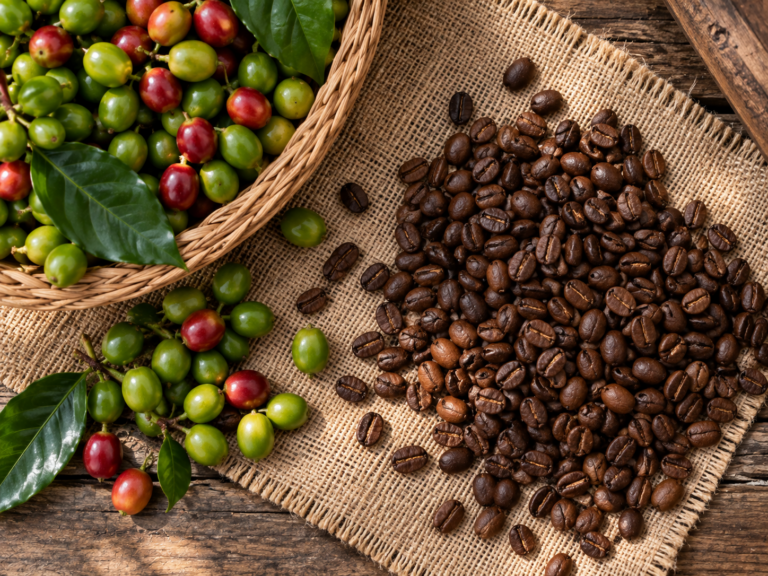
Yauco, Puerto Rico Coffee: The Town Behind Our Smoothest Cup
Yauco Puerto Rico coffee begins on a steep mountainside in the southwest corner of the island. Most bags name a country and stop there. Ours names a town. That difference matters, because a town has soil, weather and shade that a whole country never shares evenly. So when you drink our cup at the kiosk, you are tasting one place and not an average of many. Here is the story of that place, and how the beans travel from those hills to El Paso.
What Makes Yauco Puerto Rico Coffee Different
Where Yauco Sits and Why Growers Call It the Town of Coffee
Yauco sits in the mountains of southwestern Puerto Rico, well inland from the coast. In fact the land climbs fast there. Farms perch on slopes that a machine could never work, so growers say they still pick much of the crop by hand. Growers on the island also call the town el pueblo del café, the town of coffee. Naturally that nickname is tradition rather than a title anyone hands out. Yauco anchors the Puerto Rico coffee region all the same.
Height above sea level is the first thing that sets the region apart. Cooler air up high slows the cherry down, and a slow cherry packs more sugar. Meanwhile the volcanic ground underneath feeds the tree minerals that thinner soil cannot. For example, the same seed planted near the beach gives you a lighter, flatter cup. Above all, the place is doing the work here, not a trick in the roaster.
The Coffee Spot exists because of that place. Specifically, we import beans directly from Puerto Rico, then roast them in El Paso in small batches. Our named supplier is El PuebloDel Café, and our own homepage says so. However, that name collides with the town's nickname, and the two are not one thing. One is a company we buy from. Meanwhile the other is simply what the island has called Yauco for generations.
Yauco Puerto Rico Coffee at a Glance
Here is the short version of what the region does to the bean. First, each row names a trait. Then it shows where that trait comes from and what you notice in the cup. Notably, every line traces to the growing region or to our own tasting notes.
| Trait | What it means | Where it comes from | What you notice |
|---|---|---|---|
| Elevation | Mountain grown | Yauco highlands | Denser bean |
| Volcanic soil | Mineral rich | Southwest hillsides | Fuller body |
| Shade | Slower ripening | Canopy cover | Rounder sweetness |
| Single origin | One region | Yauco itself | Steady character |
| Body | Creamy weight | Dense beans | Smooth finish |
| Acidity | Naturally low | Growing conditions | Gentle sipping |
| Notes | Chocolate, caramel | Roast profile | Dessert sweetness |
How Coffee Reached the Island and Climbed the Mountains
Coffee arrived in Puerto Rico in the eighteenth century. Then, by the early nineteenth century, growers had turned the mountain regions into serious farming areas. For that dated timeline we lean on a public encyclopedia entry on coffee production in Puerto Rico, read alongside highland cultivation research from the University of Puerto Rico at Mayagüez. One source alone is thin for a claim that spans two centuries. Additionally, the National Coffee Association keeps a broader history of the crop.
The next chapter belongs to the Corsican families who settled the southwestern highlands. They came for land, and many of them stayed for coffee. Consequently the slopes around Yauco filled with small farms, terraces and drying yards. Also, growers still point to those family names on farms in the hills today. In short, a migration built this region, and no marketing team could have invented it.
Soil, Elevation and Shade: The Three Variables That Matter
Three things shape a Yauco bean more than anything else. First comes height. Second comes the volcanic soil. Third comes shade. Each one slows the plant down, and slow is the whole point.
Height lowers the temperature, so the cherry takes longer to ripen. A longer ripening builds sugar and density inside the seed. Likewise, volcanic soil adds minerals that a tired flat field simply lacks. Meanwhile shade trees cut the harsh midday sun and hold moisture in the ground. Together those three give you a bean that stands up to a medium roast without turning sharp.
The Specialty Coffee Association keeps the vocabulary for all of this, including body, acidity and roast level. Notably, we use those words on purpose, because each one means something specific. For instance, low acidity does not mean weak. In essence it means the cup lands soft rather than bright and sharp.
What Yauco Puerto Rico Coffee Tastes Like
Our tasting notes stay consistent: smooth body, chocolate and caramel, and naturally low acidity. In fact that is the standing claim on our homepage, and it holds across the roasts we run. Also, customers tell us the same thing at the kiosk week after week. Specifically, they describe it as smooth and easy rather than bright or citrusy.
If you want the longer flavor breakdown, we wrote a full guide on what Puerto Rican coffee tastes like. People also ask about strength, which is a different question from flavor, and we answered that one in is Puerto Rican coffee strong. Ultimately body and caffeine are not the same thing. Granted, a cup can feel heavy on the tongue and still sit gently afterward.
Single origin Puerto Rican beans behave this way for a simple reason. They all come from one growing area, so the character repeats from bag to bag. By contrast, a blend pulls from several countries and evens everything out. Neither approach is wrong. However, only one of them lets you name the mountain.
Why the Region Nearly Vanished, and How It Came Back
Mountain coffee is fragile. However, storms, labor costs and cheaper imports have all pressed on the island's farms. Consequently the growing area shrank, and some farms went quiet. In fact, growers describe those decades as the low point for the region.
Overall the comeback runs smaller and slower than the old boom. Nevertheless it is real. Farms replanted, and growers say they now market the region's best lots under names that buyers recognize. For instance, you will still see Yauco Selecto coffee on premium island bags. Growers treat that name as a mark of the top lots, and the packaging still carries it.
How Yauco Puerto Rico Coffee Reaches El Paso
Basically, small-batch importing is less romantic than it sounds. We buy green coffee from El PuebloDel Café in Puerto Rico, then we roast it here in El Paso. Next we sell it at our kiosk inside The Shoppes at Solana, right in front of the White Horse Statue. So the chain stays short: one region, one supplier, one roaster, one counter.
Small batch does not mean certified anything. We support responsible sourcing in Puerto Rico and we cut waste in our El Paso café, and we say that plainly in the story behind The Coffee Spot. However, we have never claimed a certification we do not hold. Granted, that reads as a duller sentence than most origin stories run. It is also the honest one.
Short chains help freshness too. A bag that moves from one farm region to one roaster reaches you sooner. Therefore the chocolate and caramel notes arrive intact rather than faded. Of course you can taste that difference most clearly in a plain black cup.
Where our Puerto Rico beans come from →How to Taste Origin for Yourself
Origin is easy to claim and much harder to taste. So here is a simple way to check whether a bag tells you the truth.
- Look for a town, not a country. For example, a bag that names Yauco tells you far more than one that only says Puerto Rico.
- Buy whole bean. Ground coffee fades fast, so the origin character goes first.
- Brew it plain the first time. Also, skip the syrup for one cup and taste what the region actually gives you.
- Watch the finish. Notably, low acidity shows up after you swallow, not on the first sip.
- Compare on purpose. Next, taste it beside a brighter coffee and decide which one you want tomorrow.
Ultimately, provenance is not a slogan. Indeed it is something you can check with your own mouth, one cup at a time.
Buy Puerto Rican coffee beans →Frequently Asked Questions
Q1 What is Yauco Puerto Rico coffee, and why does it taste so smooth? +
Q2 What makes Yauco coffee special? +
Q3 How long has coffee been grown in Puerto Rico? +
Q4 Is Puerto Rican coffee single origin? +
Q5 What does Puerto Rican coffee taste like compared to Colombian or Ethiopian? +
Name the Mountain Your Coffee Came From
Most coffee keeps its story vague. Yauco Puerto Rico coffee does not, and that is the whole reason we buy it. So come taste it at the kiosk by the White Horse Statue, or order ahead on DoorDash and pick it up. An espresso shot runs $2.00 and a cappuccino $4.00. Then take a bag of whole bean home with you.