
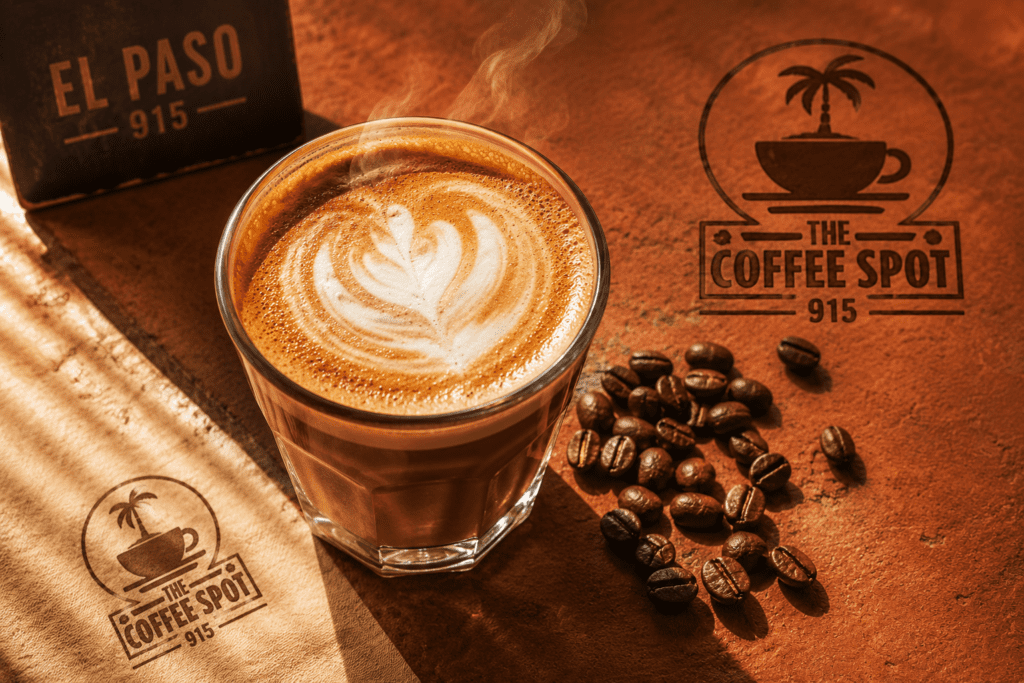
What Does Puerto Rican Coffee Taste Like? A Flavor Guide
What does Puerto Rican coffee taste like? Most people who try it for the first time say the same thing: "I didn't know coffee could taste like this." Naturally, that reaction makes sense. Specifically, Puerto Rican coffee occupies a distinct lane — one that sits somewhere between the bright, fruity complexity of East African beans and the heavy, roasty character of a dark Italian espresso. It is approachable. Layered, too. Furthermore, once you've had a cup pulled from freshly imported, small-batch roasted beans, it is hard to go back to whatever was sitting on the grocery store shelf.
What Does Puerto Rican Coffee Taste Like?
What Does Puerto Rican Coffee Taste Like in the Cup?
The Puerto Rican coffee flavor profile is defined by three things most coffees can't claim at the same time: sweetness, body, and smoothness. Notably, it doesn't hit you with that sharp, acidic punch that makes your jaw tighten. Instead, the flavor opens up slowly. First, a warm chocolate note on the front. Then, a caramel sweetness through the middle. Finally, a clean praline finish that lingers without turning bitter. For reference, the Specialty Coffee Association flavor wheel places these notes squarely in the "sweet/cocoa/nutty" zone — the most universally enjoyed sector of the wheel.
So what are the flavor notes in Puerto Rican coffee, exactly? Think chocolate and praline on the front, a caramel sweetness in the middle, and a finish that stays clean and sweet rather than fading into bitterness. In particular, the body is medium-full — substantial enough to satisfy whether you're drinking it black or pulling it through steamed milk in a latte. Equally, it coats the palate without feeling heavy.
In short, where most grocery-store coffee is thin-bodied, sharply acidic, and finishes harsh, Puerto Rican coffee is silky and medium-full, naturally low in acidity, and finishes clean and sweet. Of course, what separates a truly great cup from a forgettable one comes down to freshness and sourcing. Over-roasted beans mask their natural character behind char. Stale beans go flat. By contrast, when you're working with direct-import Puerto Rican coffee roasted in small batches — the way we do it at The Coffee Spot 915 — those chocolate caramel notes have nowhere to hide. They're front and center, exactly where they belong.
How Puerto Rican Coffee Compares to Other Latin American Coffees
In essence, what makes Puerto Rican coffee different from other coffees — especially other Latin American origins — comes down to the intersection of low acidity, natural sweetness, and a refined body that most regional coffees don't quite hit in the same way.
| Origin | Body | Acidity | Primary Notes | Character |
|---|---|---|---|---|
| Puerto Rico | Medium-full | Low | Chocolate, caramel, praline | Smooth, sweet, approachable |
| Colombia | Medium | Medium-high | Citrus, red fruit, caramel | Bright, balanced, versatile |
| Brazil | Heavy | Low | Nutty, chocolate, earthy | Bold, flat, espresso-forward |
| Dominican Republic | Medium | Low-medium | Cocoa, mild spice | Gentle, mild, easy-drinking |
| Cuba | Light-medium | Low | Sweet, mild, slightly smoky | Traditionally served very sweet |
Puerto Rican coffee shares the low-acidity, chocolate-forward character of Brazilian beans — but it is noticeably more refined. Whereas Brazilian coffee can feel flat or one-dimensional, Puerto Rican beans carry more aromatic complexity and a cleaner finish. In a Puerto Rican coffee vs Colombian coffee comparison, Puerto Rican is less bright and citrusy, and more dessert-like and approachable for people who find high-acidity origins too sharp. Ultimately, it occupies a sweet spot: substantial enough to satisfy espresso lovers, smooth enough to win over people who thought they didn't like black coffee.
Where the Flavor Comes From — Puerto Rico's Mountain-Grown Beans
After all, flavor doesn't start in the roaster. It starts in the soil. So what coffee does Puerto Rico grow? Specifically, the island's most celebrated beans come from Puerto Rico's western highlands coffee region — particularly the Yauco area, historically regarded as the coffee capital of Puerto Rico. Above all, farms here sit between 1,000 and 3,000 feet in elevation, where cooler temperatures slow the maturation of the coffee cherry.
That slower development is the key. Furthermore, it gives the bean more time to accumulate natural sugars, which translates directly into the sweetness you taste in the cup. The shade-growing method matters just as much. Rather than clearing land for full-sun monoculture farming, Puerto Rican growers traditionally cultivate coffee beneath a canopy of taller trees. Consequently, shade slows growth further, reduces stress on the plant, and produces a denser, more flavorful bean. Granted, it is a labor-intensive approach — and it shows in the final product.
When we import directly from Puerto Rican farms at The Coffee Spot 915, we're sourcing beans that were treated with that level of care from the very beginning. Additionally, small-batch roasting in El Paso preserves what the island's farmers worked hard to create. As a result, nothing gets lost in transit to a massive commercial roasting facility. Consequently, the character of the bean arrives intact.
Low Acidity Explained: What Does Puerto Rican Coffee Taste Like Without a Bitter Edge?
Yes — Puerto Rican coffee is naturally low in acidity, and that is one of the defining features of its flavor profile. Specifically, the combination of high-altitude growing conditions, shade cultivation, and careful processing produces a smooth low-acid coffee that sits noticeably gentler on the palate than most Central American or East African origins. For people who love coffee but struggle with acid reflux, stomach sensitivity, or the harsh edge that cheap dark roasts leave behind, Puerto Rican coffee is often a revelation.
This isn't a marketing talking point. In fact, it is chemistry. Coffees grown at higher elevations and processed with care retain their natural sweetness while shedding the volatile compounds that create sharp acidity. As a result, the cup tastes complete — not like it needs sugar or milk to round off an unpleasant edge.
By contrast, compare that to a high-acidity origin like Ethiopian Yirgacheffe, which is bright, winey, and almost citrusy by design. Both are excellent. However, if smooth and sweet is what you're after, Puerto Rican beans deliver it without compromise.
The Best Ways to Brew Puerto Rican Coffee at Home
The best way to brew Puerto Rican coffee depends on what you want to pull from the bean. Fortunately, its naturally balanced profile means it performs beautifully across almost every method. Can you taste the difference with direct-import coffee brewed at home versus a stale grocery store bag? Indeed, you can — and the method you choose amplifies that gap even further.
Drip or pour-over brings out the clarity of the chocolate and caramel notes. Specifically, use water just off the boil (around 200°F), a medium grind, and a slow even pour if you're going manual. This method lets the bean's sweetness shine without interference.
Espresso concentrates the body and deepens the caramel character. Notably, a medium-dark roast works beautifully here — rich crema, a finish that pairs perfectly with steamed milk in a cortado or latte. This is how we pull most drinks at The Coffee Spot 915, and it is a strong argument for trying our authentic Puerto Rican blend in person before you brew at home.
French press delivers the fullest body of any method. Without a paper filter, more of the bean's natural oils end up in your cup — amplifying the silky mouthfeel Puerto Rican coffee is known for. Use a coarse grind, steep four minutes, press slowly. Above all, whatever method you choose, freshness is non-negotiable. Buying from a shop that roasts small-batch and imports direct makes a bigger difference than any brewing technique.
Explore our full menu →Where to Try Authentic Puerto Rican Coffee in El Paso
If you're searching for where to get authentic Puerto Rican coffee in El Paso — not a generic "island blend" from a chain, but the real thing — The Coffee Spot 915 is the only shop in the city importing direct from Puerto Rican farms.
Specifically, we source the best Puerto Rican coffee from the western highlands, roast in small batches right here in El Paso, and serve every cup like it matters — because it does. Notably, our kiosk is inside The Shoppes at Solana on the Westside, easy to find and impossible to forget after your first sip. Of course, whether you want straight espresso to taste the bean clean, an iced latte built for El Paso summers, or whole beans to take home — we've got you covered.
Read our story and sourcing →Frequently Asked Questions
Q1What does Puerto Rican coffee taste like?+
Q2Is Puerto Rican coffee considered high quality?+
Q3Why is Puerto Rican coffee so smooth compared to other coffees?+
Q4What roast level is Puerto Rican coffee typically sold as?+
Q5Why is Puerto Rican coffee considered some of the best in the world?+
Come Taste It for Yourself — Your First Sip Is Waiting
Smooth. Chocolatey. Low acidity. A caramel finish that doesn't quit. Ultimately, that is what does Puerto Rican coffee taste like — and now you know exactly why. Above all, reading about flavor notes only gets you so far. The real answer is waiting at The Coffee Spot 915, inside The Shoppes at Solana in El Paso. We import direct. Then we roast small-batch. Finally, every cup is poured with care.